Port Wine Cellars In Porto: What Is Free And What Is Paid
The port wine cellars sit across the river in Vila Nova de Gaia, and almost everything around them, the riverfront, the bridge decks, the garden viewpoints, costs nothing. The cellars and their tastings are the paid part, and this guide separates the two cleanly.
In Short
No free port wine tasting is verified anywhere in Vila Nova de Gaia: cellar visits and tastings are paid, and no verified free cellar entry exists. The free side is everything around them. The Ribeira quay, both decks of the Ponte Luís I, the Jardim do Morro and the Serra do Pilar terrace all cost nothing, and free pay-what-you-want walking tours on GuruWalk cover the Gaia riverbank.
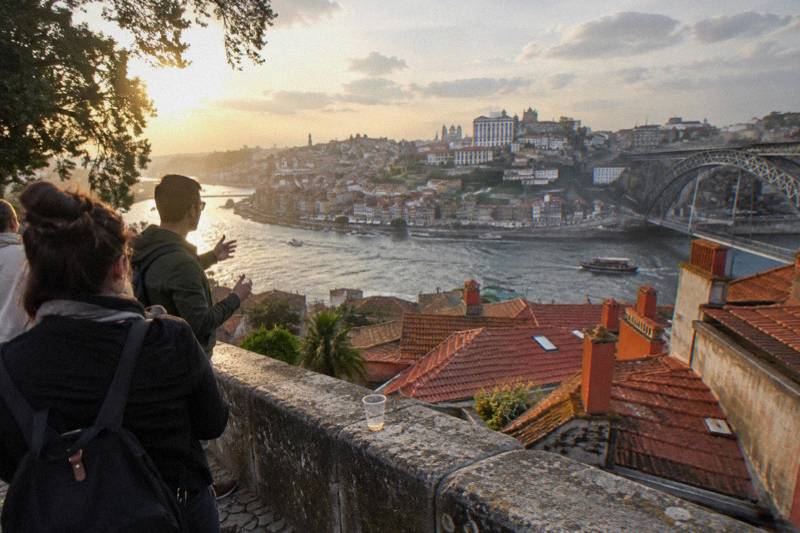
Port wine ages on the south bank. The lodges of Vila Nova de Gaia, where the wine was historically stored after its journey down the Douro, are the reason many visitors cross the river at all, and the paid part of that visit starts at the cellar door. Everything on the way there, the Ribeira quay, the two walkable decks of the Ponte Luís I, the open garden at Jardim do Morro and the terrace in front of the Serra do Pilar monastery, is free public space. This guide, part of the Free Things To Do In Porto guides collection, separates what the port cellar district charges for from what it gives away.
Quick Facts
| Question | Answer |
|---|---|
| Are port cellar tastings free? | No. Cellar visits and tastings in Gaia are paid; no free tasting or free cellar entry is verified |
| Is the Gaia riverfront free? | Yes, the riverside streets and quay are open public space |
| Can you cross Ponte Luís I free? | Yes, both decks can be crossed on foot at no cost, day or night |
| Is the Serra do Pilar viewpoint free? | The terrace and gardens are free; the monastery exhibition is EUR 2 and the dome EUR 4 |
| Is the Gaia cable car free? | No, the Teleférico de Gaia is paid |
| Are the WOW museums free? | The museums are ticketed; the plaza is reported enterable without a ticket |
| Free walking tours of the area? | Yes, free pay-what-you-want walks on GuruWalk cover Gaia and the Ribeira |
Are Port Cellar Visits Free?
No verified free port cellar visit or free tasting exists in Vila Nova de Gaia. The cellar lodges are commercial businesses and their visits and tastings are paid experiences; no free entry scheme, no free tasting counter and no complimentary cellar walk is confirmed anywhere on the Gaia side. The free part of a port wine trip is the district itself, not the cellars' interiors. Anyone promising a free tasting is selling something else.
That is the honest baseline, and it is worth stating plainly because the framing "free things to do in Porto" attracts a lot of loose claims about complimentary wine. The research picture for the Gaia cellars is unambiguous on one point and quiet on everything else: no free tasting and no free cellar entry is verified, and no individual cellar price appears in the verified record. That means this guide will not print a tasting price range, will not compare one lodge's fee against another, and will not suggest that buying a bottle waives a fee. What the record does support is the split between the paid interiors and the genuinely free public ground around them, and that split is the most useful thing a visitor can plan around.
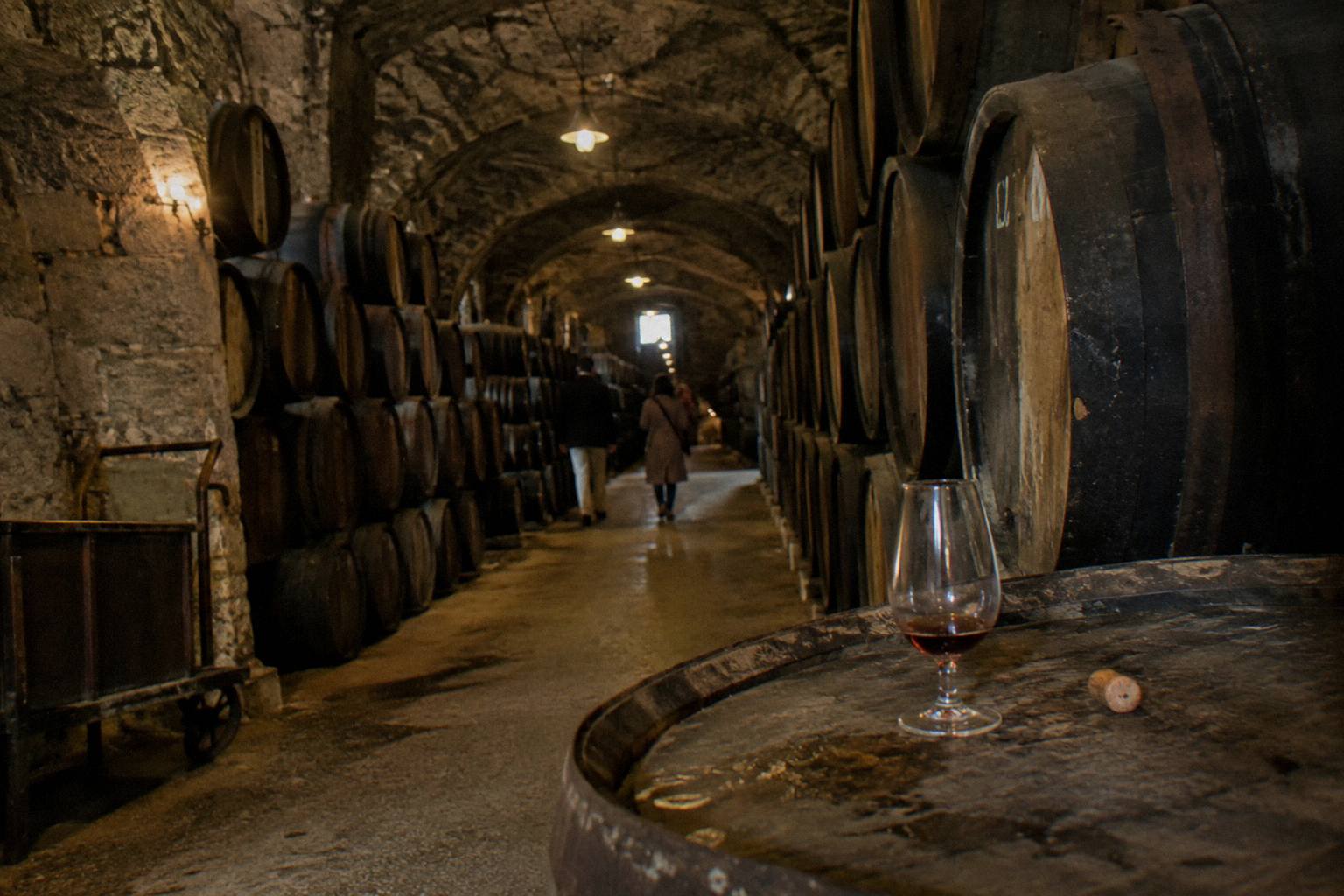
The practical consequence is a budgeting one. If tasting port in a lodge matters to you, treat it as a paid line in the day, priced on each cellar's own page, and book or pay at the door as that cellar directs. Nothing in the verified facts supports haggling for a free pour, arriving at a closing time for leftover glasses, or any of the folklore that circulates around wine districts. The cellars are the paid anchor of the visit; the planning question is how much of the day you build around them and how much you build around the free riverbank, which is, honestly, the more photogenic half.
There is a second, quieter point that first pages of search results tend to miss. The Gaia hillside is where several paid experiences cluster together, and the walks between them are free. The Teleférico de Gaia cable car is paid, with its own operator site carrying the fare and schedule. The WOW cultural complex's museums are ticketed, while its plaza is reported enterable without a ticket, a single-sourced claim worth treating as likely rather than guaranteed. The monastery exhibition at Serra do Pilar is EUR 2 and the dome is EUR 4, while the terrace in front of it is open public space. A visitor who knows this split can stand on the finest viewpoint in the district for nothing, ten steps from a ticket booth.
| Gaia sight | Free or paid | Condition |
|---|---|---|
| Port cellar visits and tastings | Paid | No free tasting or free cellar entry verified |
| Teleférico de Gaia cable car | Paid | Fare on the operator's page |
| Serra do Pilar terrace and gardens | Free | Open public space in front of the monastery |
| Serra do Pilar exhibition | Paid | EUR 2 |
| Serra do Pilar dome | Paid | EUR 4 |
| WOW museums | Paid | Museums ticketed |
| WOW plaza | Reported free | Single source; the plaza, shops and restaurants reported enterable without a ticket |
| Jardim do Morro | Free | Open public garden, no gate |
| Gaia riverfront streets and quay | Free | Open public space |
So the answer to the question is a clean no, with a clean workaround. The cellars charge, and you decide whether a tasting is worth paying for on the cellar's own terms. The district that grew up around the port trade, its riverside, its bridge and its viewpoints, charges nothing, and a day built on that free spine with one paid tasting slotted in is the shape most visitors end up happiest with.
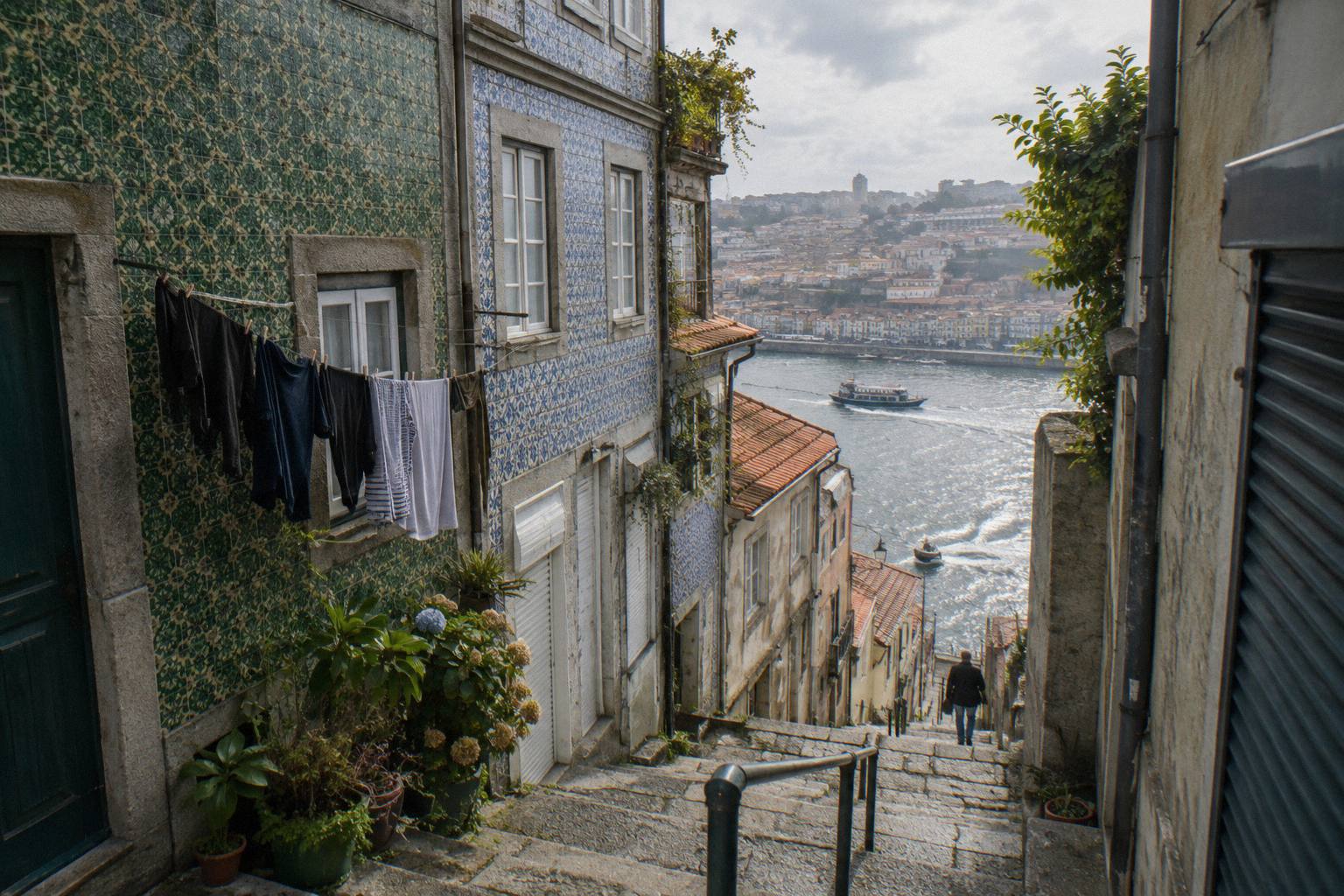
Which Cellars Charge For Tastings?
All of them, as far as the verified record reaches: cellar visits and tastings across Vila Nova de Gaia are paid, and no lodge is confirmed to offer a free tasting or free entry. No individual cellar's price appears in the verified facts, so this guide prints none; each lodge's own page is where the current fee lives. The free items in the port story are outdoors, on the riverbank and the hillside above it.
This is where honesty matters more than helpfulness theater. A guide that invents a tasting price, or repeats a range scraped from an aggregator, does the reader a disservice the moment the cellar raises its fee or changes its pour list. What can be said with confidence is structural: the lodges are paid experiences, they set their own prices, and the price is published by each cellar itself. Planning ranges for advice tables do not apply here because no tasting fee is in the verified data, and the pilot rule on this site is that a figure without a record is not printed.
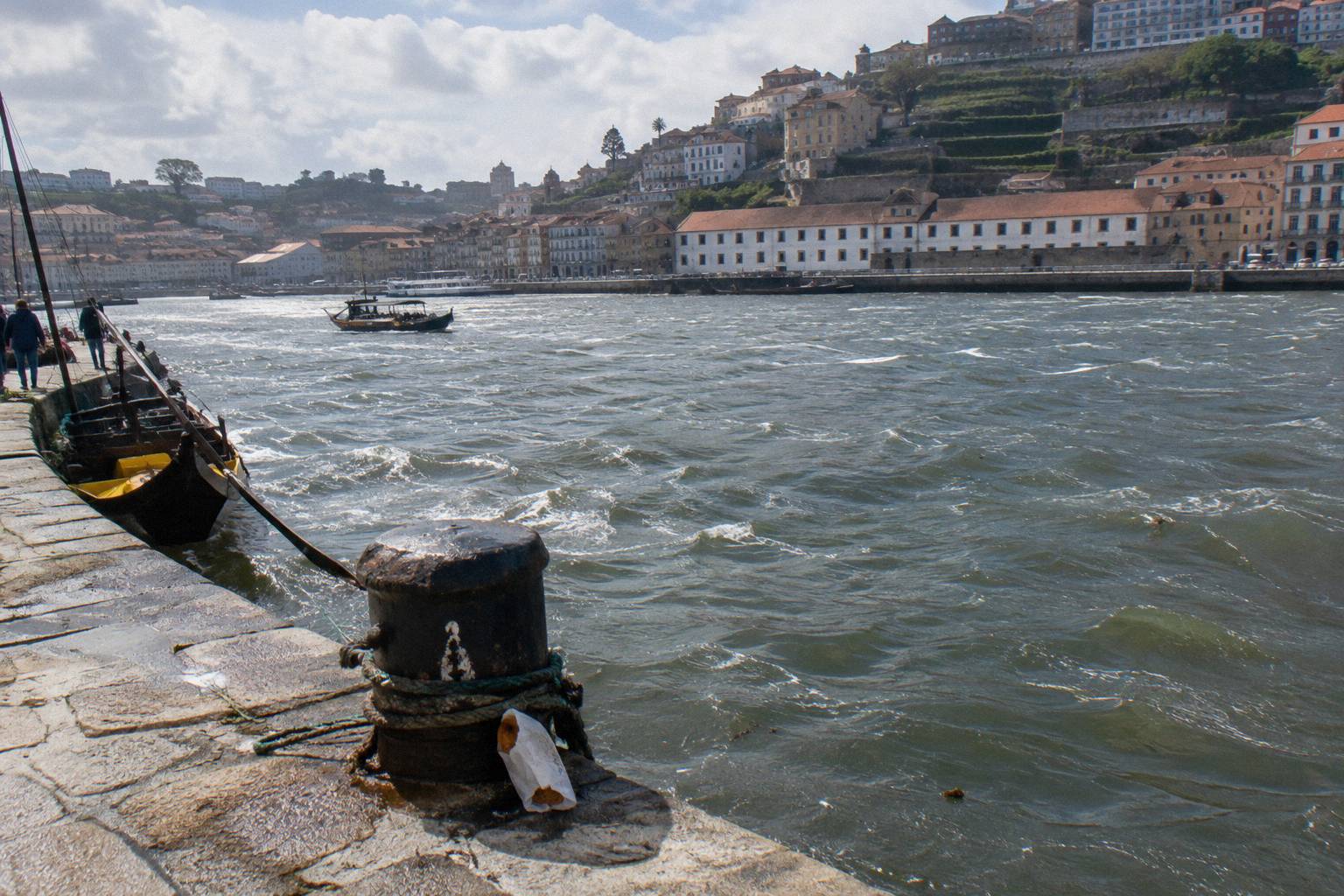
What the reader can usefully compare is not fees but formats. The cable car is a paid ride with a known operator page. The WOW museums are ticketed experiences. The monastery's two paid items are small and precisely priced: the exhibition and the dome, each printed exactly as the record states it. Against that, the terrace, the gardens, the riverbank and both bridge decks are free without condition. If you want the port view more than the port taste, the free side of Gaia delivers nearly all of it.
One point of method, briefly, because it affects how you read everything else online. The claim "no free tasting is verified" is not the claim "free tastings never happen". It means the site's own fact-checking, which fetched official pages directly, found no cellar publishing a free entry or free tasting offer. A lodge could run a promotion tomorrow; a shop could pour a sample with a purchase. Those are commercial decisions that change without notice, and the honest way to handle them is to check the cellar's own page before you go, not to carry a promise from an article.
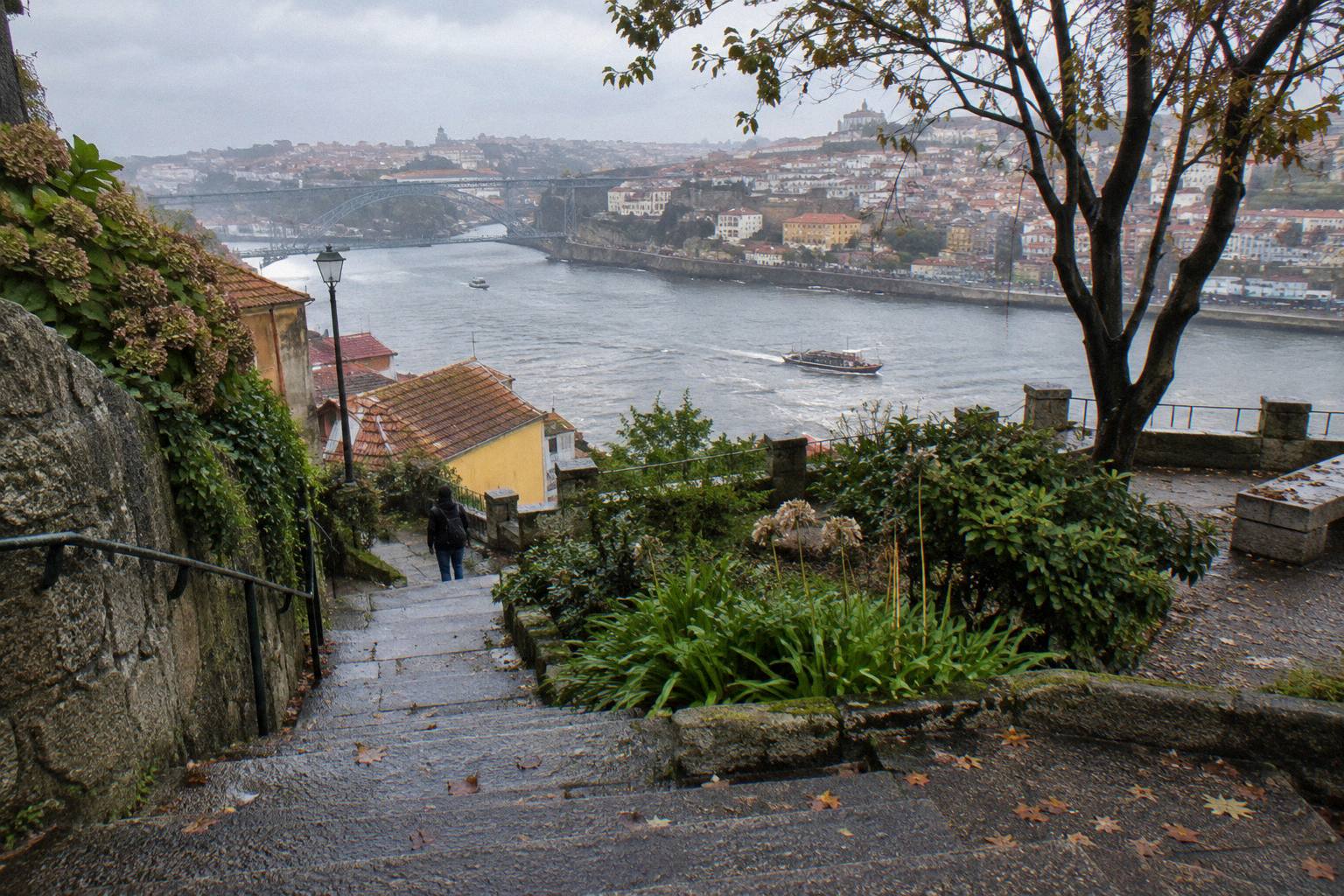
The same discipline applies to the paid items around the cellars. The exhibition and dome figures at Serra do Pilar come from the official culture ministry pages, which publish the monastery's visitor details. The cable car's fare lives on its operator's site. Nothing here is hidden behind a reseller, and the practical advice follows: buy from the official source, ignore lookalike ticket sites, and treat any third party offering a discount on Gaia attractions with suspicion rather than gratitude.
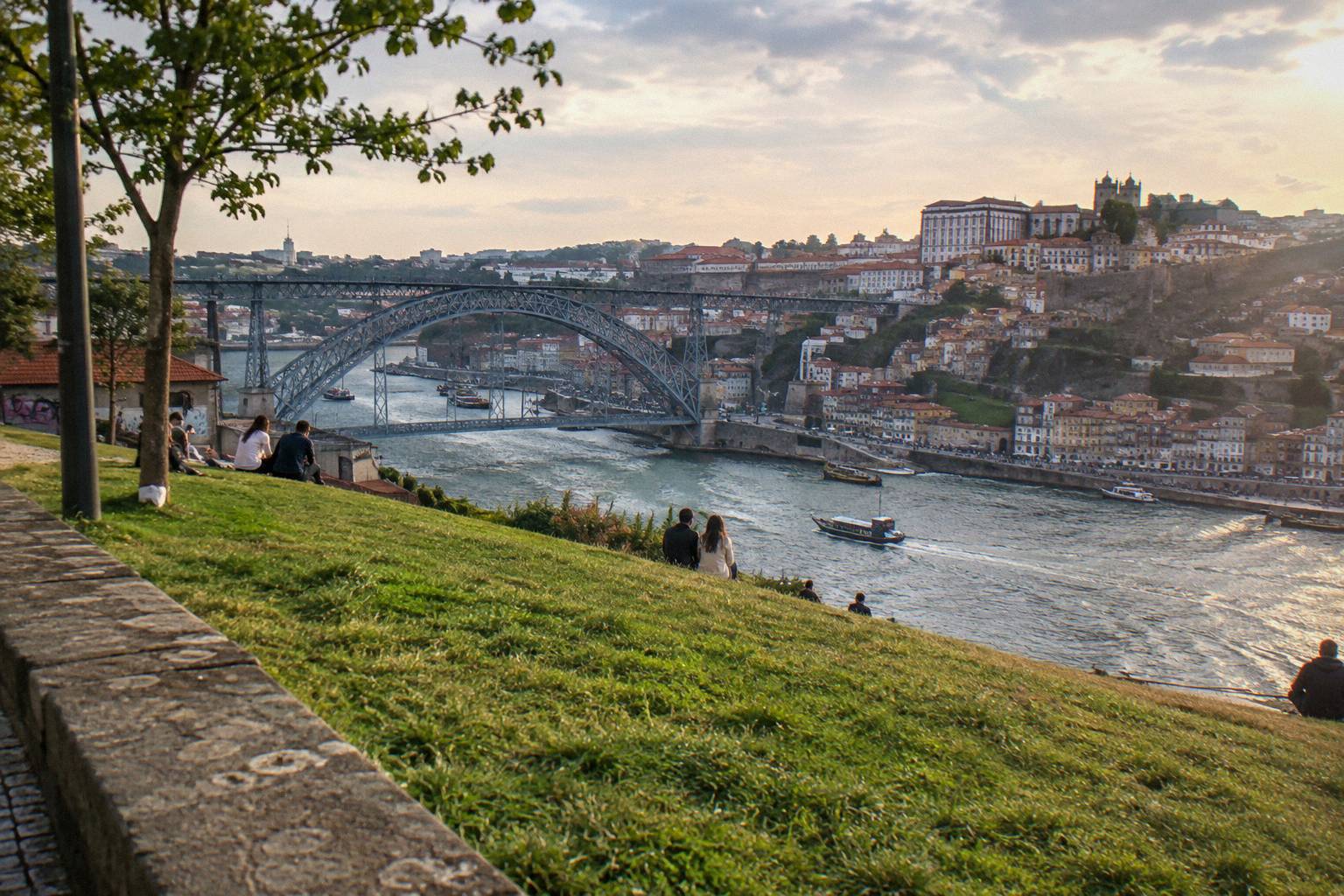
The GuruWalk walks above are the free counterweight to the paid cellar door. Every one of the 17 English-language free walks on GuruWalk is free to join with pay what you want pricing, and the riverbank story they tell is the one the lodges charge for the interior version of. If a tasting is in your plan, the walks slot around it; if it is not, the walks are the whole day.
Where Can You Walk Past Free?
A great deal: the Ribeira on the Porto bank, the Gaia riverside streets, both walkable decks of the Ponte Luís I, the Jardim do Morro and the Serra do Pilar terrace are all free public space, open day or night in the bridge's case. The monastery's exhibition and dome are the paid exceptions and EUR 4, and the cable car and WOW museums are paid. The port district's best views cost nothing.
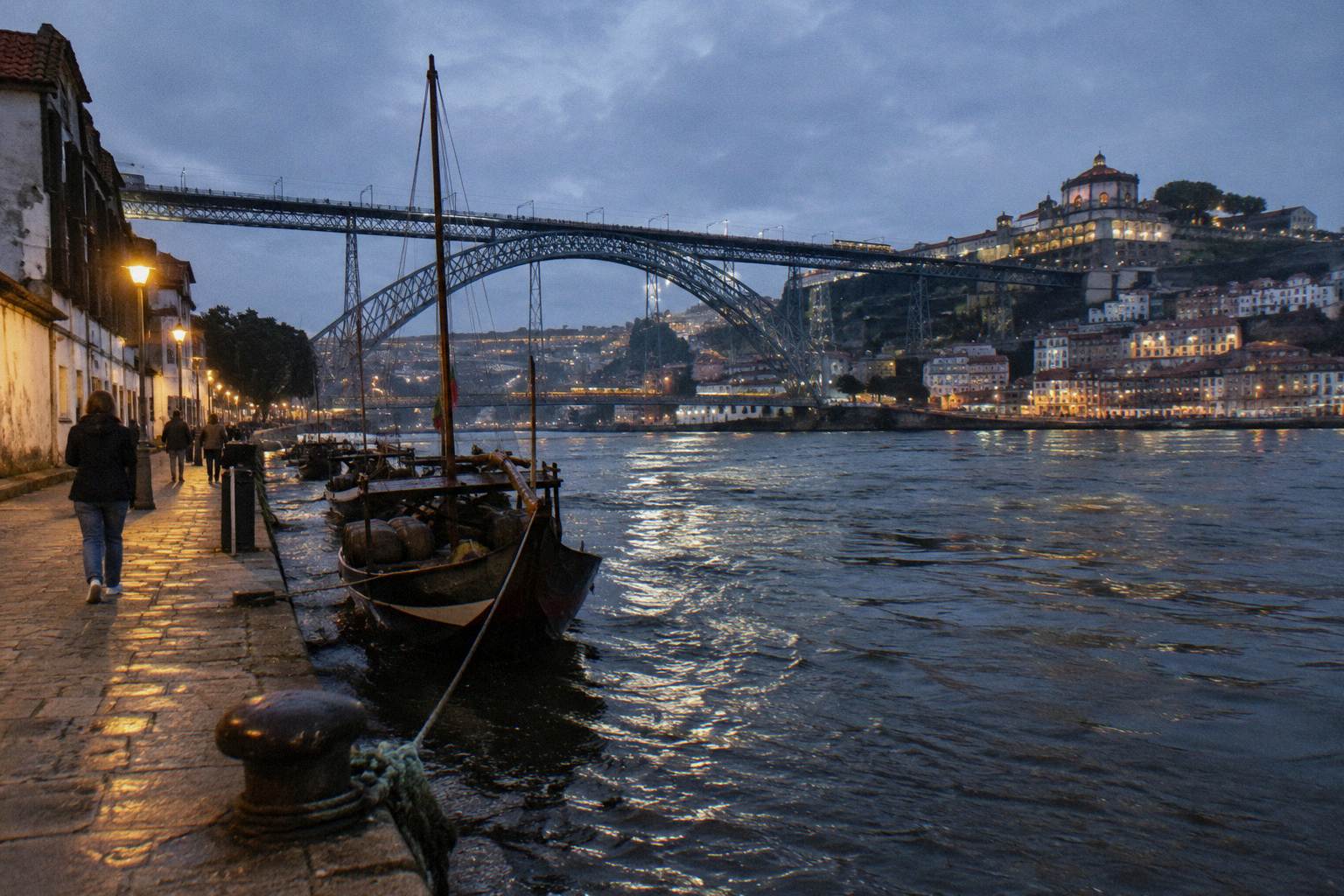
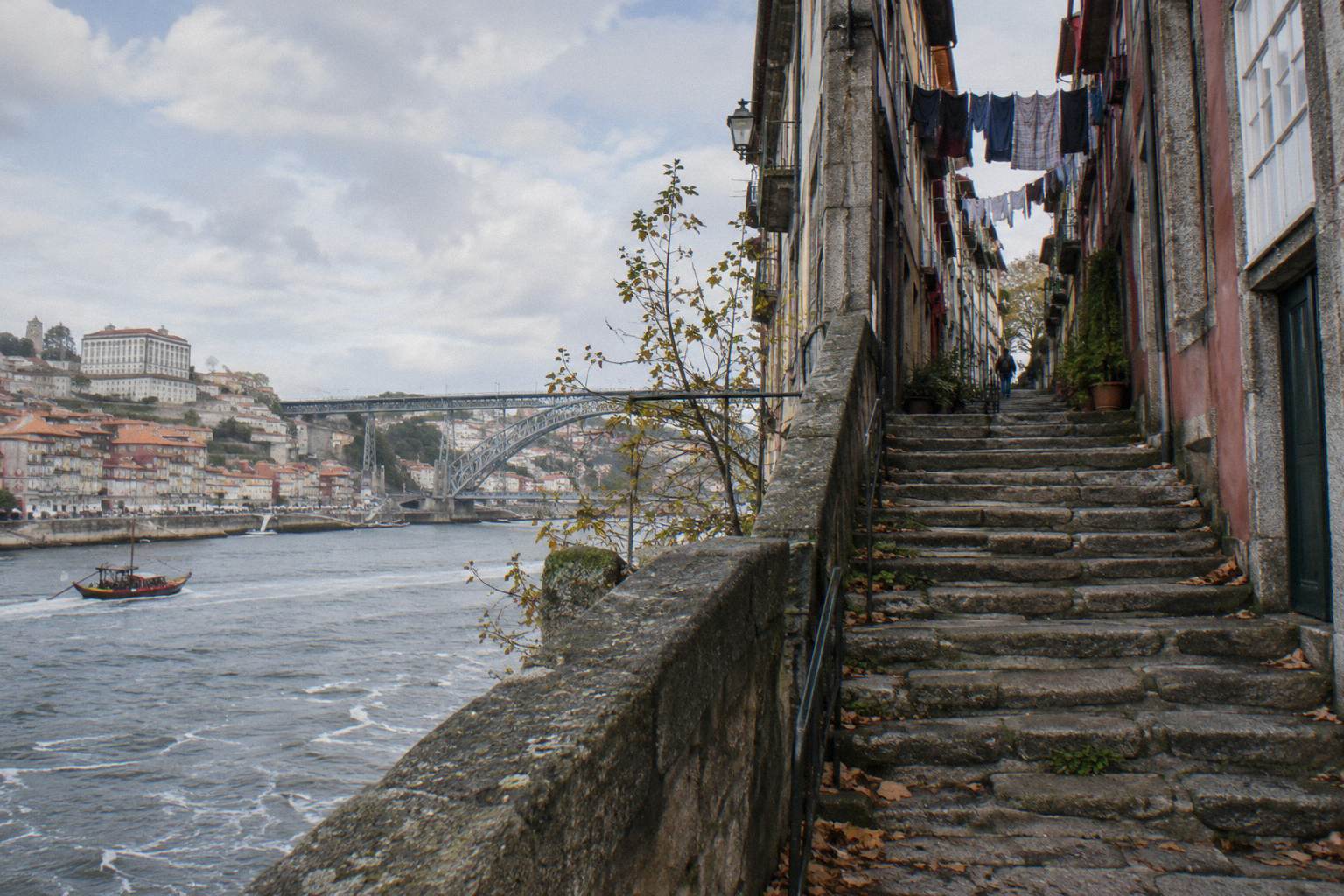
Start on the Porto side. The Ribeira is an open riverside quarter, streets and quay, free and walkable at any hour, and it is the natural staging point for the crossing. The Ponte Luís I can be crossed on foot on both decks at no cost: the upper deck shared with the Metro line, the lower deck road and pavement at river level. Walking the upper deck and returning on the lower is a free circuit that shows the Douro valley from two heights, and no ticket, tour or timing trick is involved. Everything else covered here is indexed on Free Things To Do In Porto.
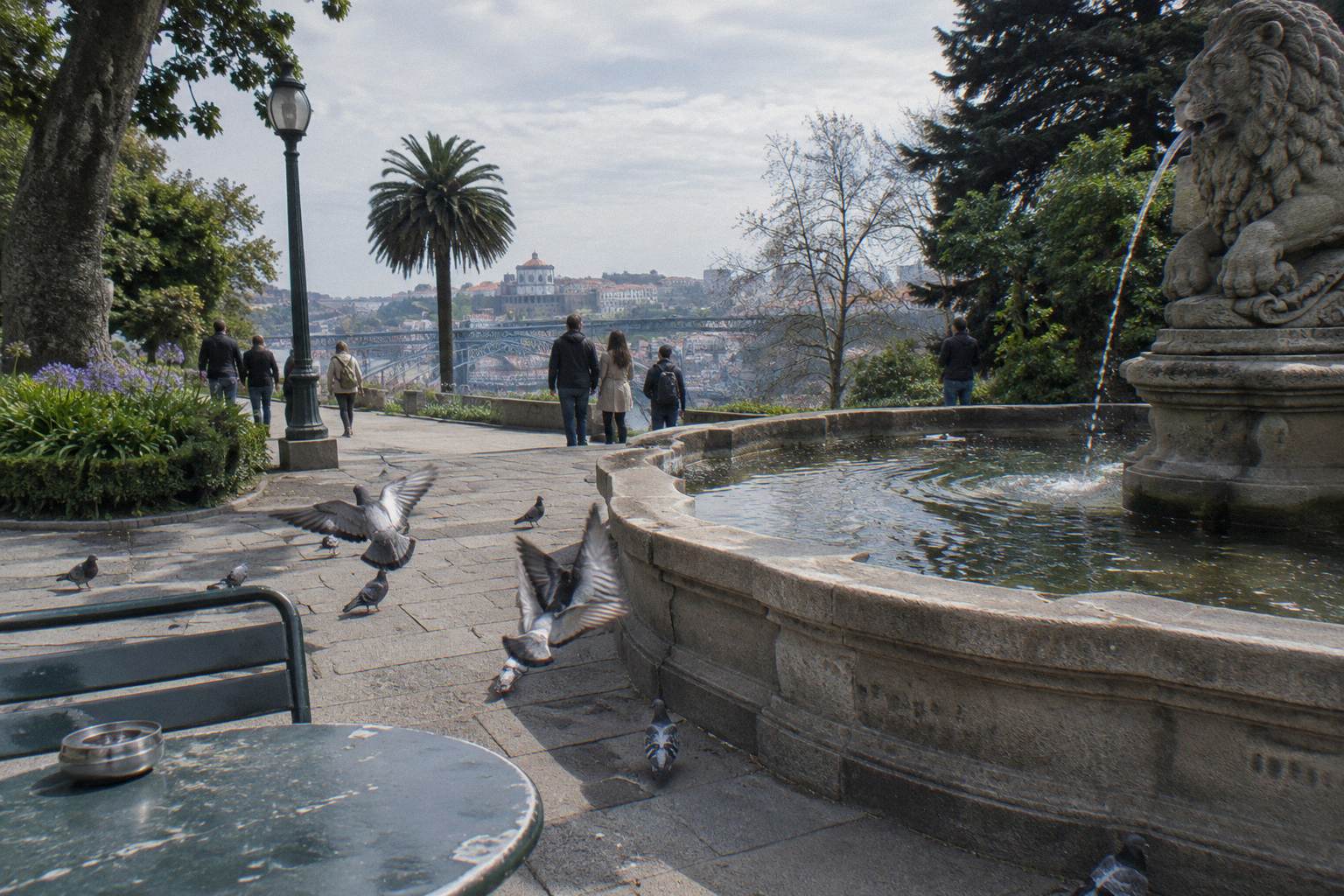
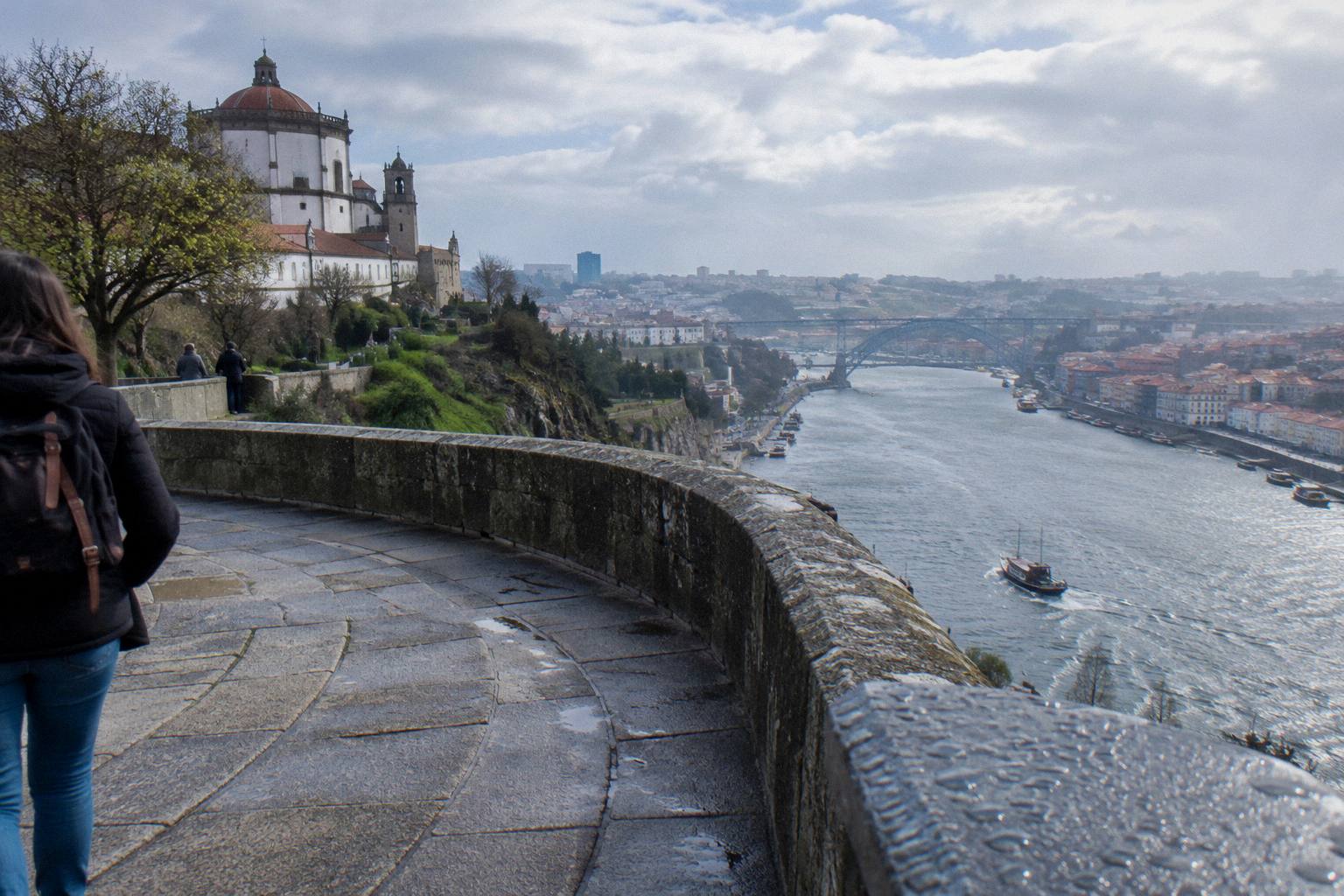
On the Gaia bank, the Jardim do Morro is an open public garden with the river-and-Ribeira view and no gate. The climb continues to the Serra do Pilar viewpoint terrace, free open public space in front of the monastery; the paid exhibition and dome sit behind it, and the terrace does not inherit their ticket, nor the monastery the terrace's freedom. Further along the hillside, the WOW plaza is reported enterable without a ticket, a single-sourced claim, while its museums are ticketed without ambiguity.
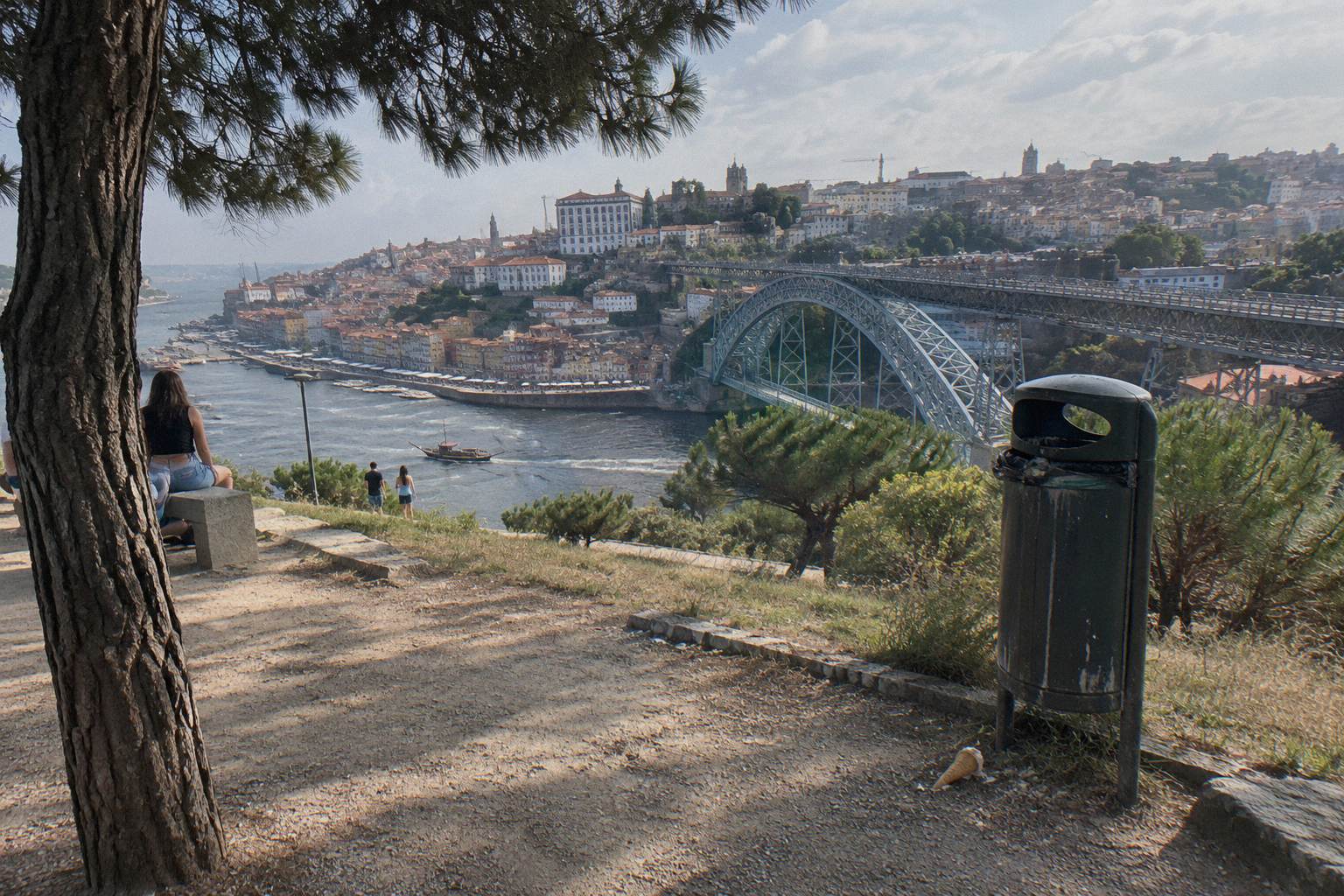
The free walking tours fit this ground precisely. The Free Tour of the Old Town (Ribeira of Porto), run by Revolutours on GuruWalk, rated 4.87 out of 5 across 2,060 GuruWalk reviews, is a 2-hour English and Spanish walk meeting at Largo Amor de Perdição, and it covers the riverside quarter that the port trade built its fortune across from. The Free tour of Vila Nova de Gaia, also Revolutours, rated 4.85 out of 5 across 1,309 GuruWalk reviews, runs 2 hours in English and Spanish from the Vímara Peres statue at Calçada de Vandoma and puts the cellar district's own hillside under your feet. And the Porto Ribeira and Old Town Free Tour: the Soul of the City, run by Take, rated 4.74 out of 5 across 430 GuruWalk reviews, is a 2 hour 30 minute English, Spanish and Italian walk meeting at Terreiro da Sé, beside the Cathedral, that carries you down from the hill to the water.
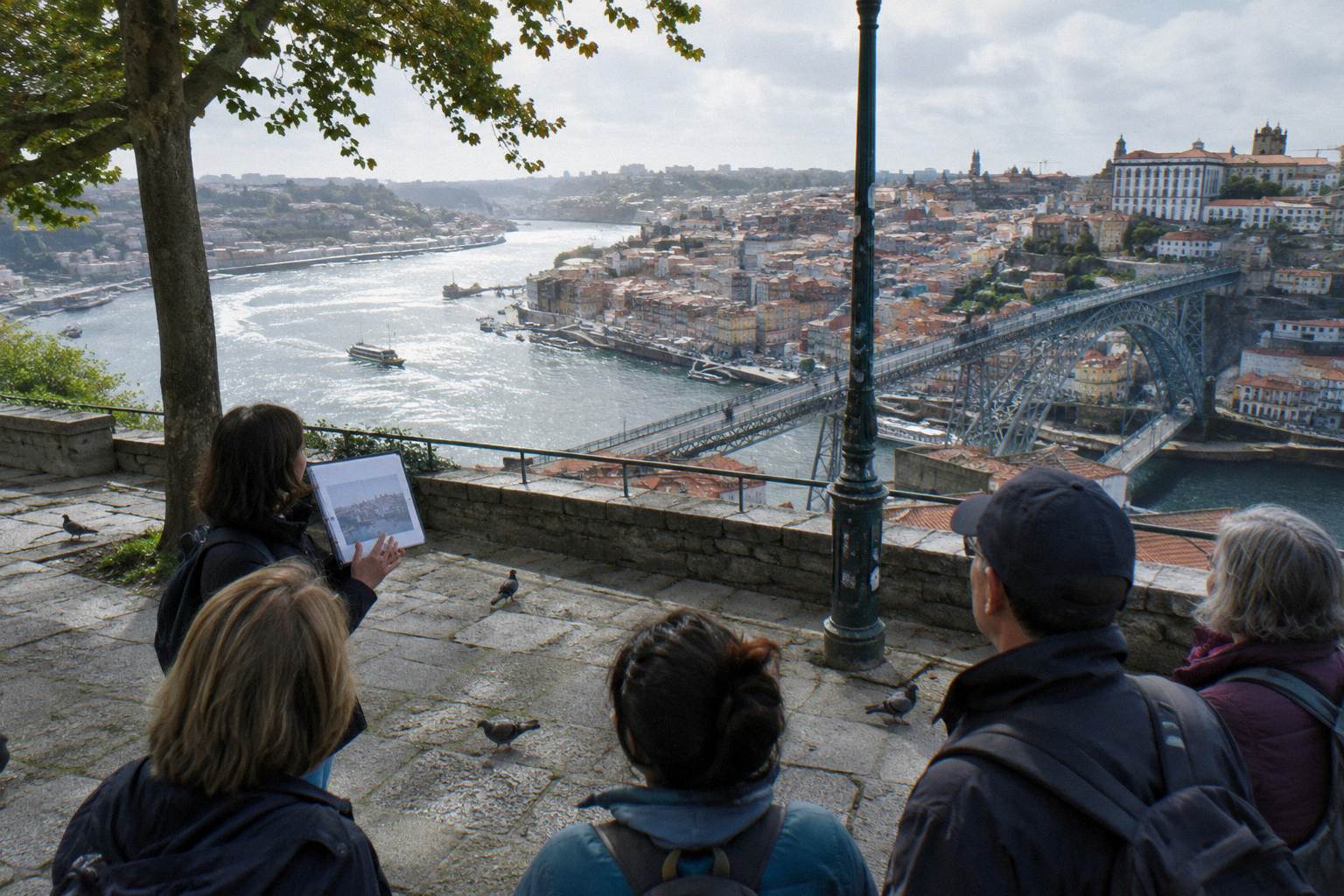
None of these walks charges a fee: each is free to join, pay what you want, reserved on GuruWalk, and the amount is the walker's own choice. That is the whole pricing story, and it is a genuinely rare shape in a district whose indoor economy runs on tickets. For readers who want the fuller picture of how these walks work, the how tip-based free tours actually run explainer covers the mechanics, and the Ribeira riverside walk along the Douro guide maps the quay itself.
A note on what "walking past free" does not include. The cellar lodges' interiors, their barrel halls and tasting rooms, are behind their paid doors, and no walk, viewpoint or riverside path gets you inside one for nothing. The Miradouro da Vitória on the Porto side and the Jardim das Virtudes are further free viewpoints if you want the river framed from the north bank too; both are open with no ticket. The free list is long, but it is an outdoor list, and planning around that shape is the difference between a day that feels generous and one that feels baited.
How Does It Fit On A Walking Tour?
Easily, and this is the free half's real advantage: the cellar district's geography is a walk, the Ribeira to the bridge, the bridge to the Gaia bank, the bank to the garden and terrace above, all connected on free public ground. A free walking tour covers the Porto half, the crossing or the Gaia half, and a paid tasting slots into whichever gap you leave. Nothing in the sequence requires a vehicle.
The roster's Gaia-side walks give you the shape. The Porto to Gaia Free Tour, run by InsighTours, rated 4.65 out of 5 across 183 GuruWalk reviews, is a 2-hour walk in English, Spanish, Italian, Portuguese, Russian and Ukrainian, meeting at Trindade Church on Praça da Trindade; the pairing in its name, Porto to Gaia, is the crossing itself. The Ribeira walks above start on the Porto bank. A day can reasonably hold one walk in the morning, the free bridge-and-terrace circuit at midday, and a paid tasting afterwards, or skip the tasting and end on the terrace with the view the lodges' windows charge to face.
| GuruWalk walk | Guide | Rating and reviews | Duration | Languages | Meeting point |
|---|---|---|---|---|---|
| Free Tour of the Old Town (Ribeira of Porto) | Revolutours | 4.87 out of 5, 2,060 reviews | 2 hours | English and Spanish | Largo Amor de Perdição |
| Free tour of Vila Nova de Gaia | Revolutours | 4.85 out of 5, 1,309 reviews | 2 hours | English and Spanish | Calçada de Vandoma, Vímara Peres statue |
| Porto Ribeira and Old Town Free Tour | Take | 4.74 out of 5, 430 reviews | 2 hours 30 minutes | English, Spanish and Italian | Terreiro da Sé, beside the Cathedral |
| Porto to Gaia Free Tour | InsighTours | 4.65 out of 5, 183 reviews | 2 hours | English, Spanish, Italian, Portuguese, Russian and Ukrainian | Trindade Church, Praça da Trindade |
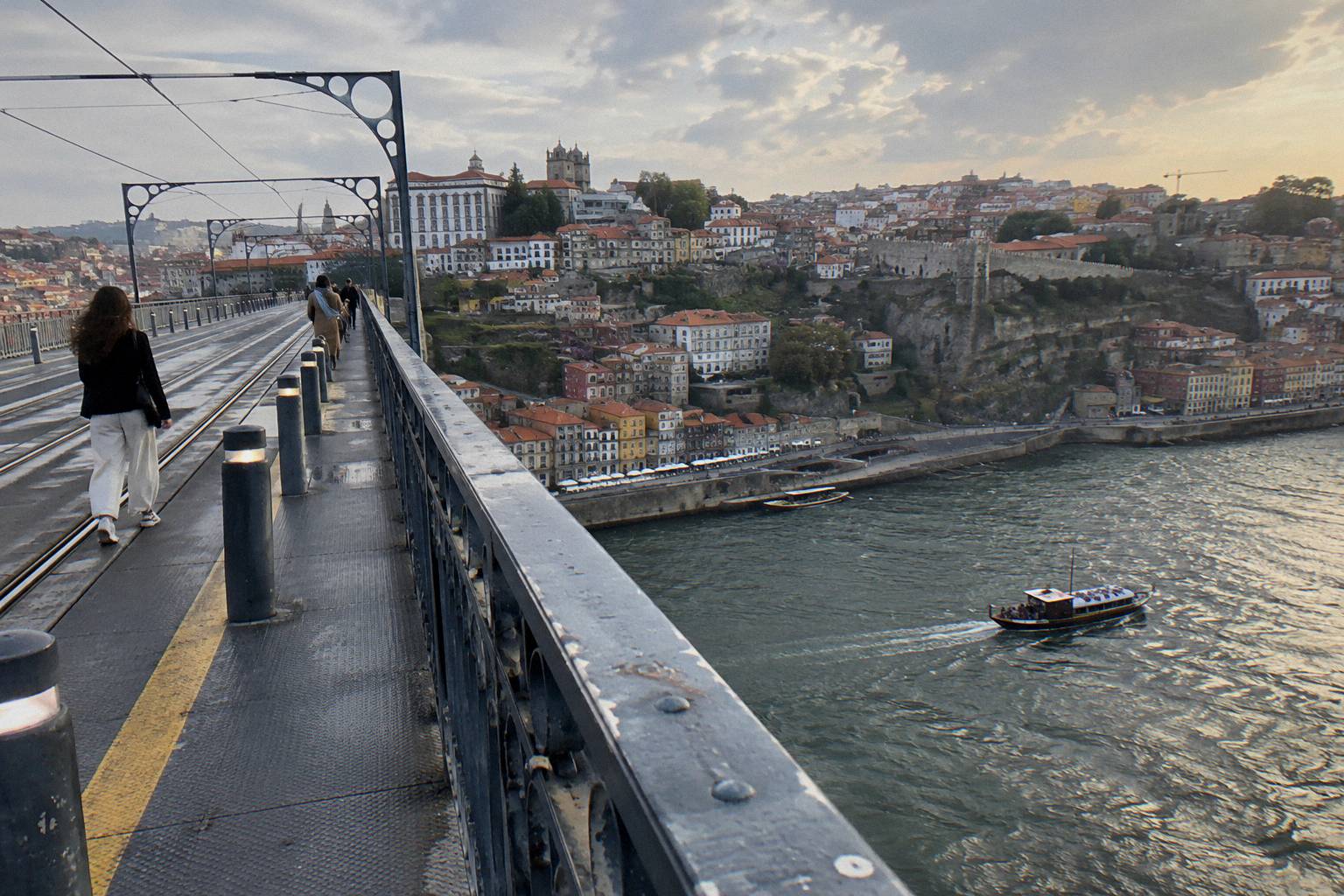
What a walking tour adds to the cellar district is the story the lodge tours do not tell, because their version begins when the barrel arrives. The river, the bridge, the quay and the hillside are the transport network the port trade was built on, and the free walks are the ones that walk it. Every walk above is reserved on GuruWalk, is free to join, pay what you want, and states its own meeting point, duration and languages on its page; those five facts are the entire booking decision, and no route beyond them is described here because the pages are where the route lives.
Timing and fitness are fair questions, and the honest answers come from the ground itself. The sequence involves a hill: the Gaia bank rises from the river to the Serra do Pilar terrace, and the return can be made on the bridge's upper deck rather than by climbing again. Duration budgeting is simple: the walks run 2 to 2 hours 30 minutes each, the bridge crossing fits in any spare half hour, and the gardens have no schedule pressure beyond daylight. For what to wear on the climb and the cobbles, the shoes, hills and rain guide for Porto walks is the practical companion.
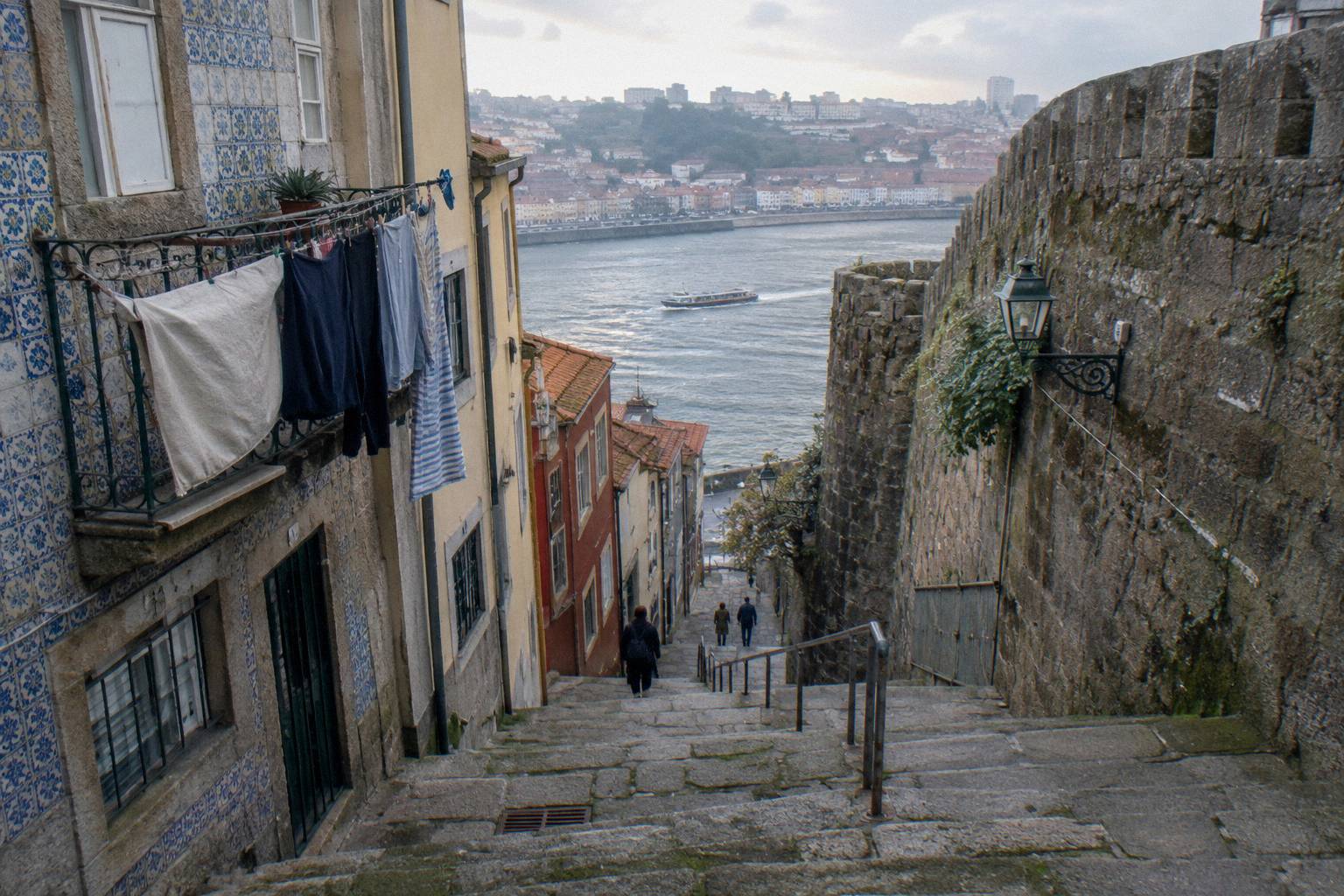
One planning caution that belongs here rather than in a listicle: do not build the day around a lunchtime or evening tasting if your walk starts on the opposite bank. The meeting points above are exact, from Largo Amor de Perdição to Terreiro da Sé, and the walks leave from them; the tasting can happen whenever the cellar's own hours allow. The free parts of the day are forgiving of delay, the paid parts are not, and sequencing the forgiving parts around the fixed ones is the whole art of a day in this district.
Mistakes That Trip People Up At The Port Cellars
The common mistakes are all versions of merging the free and paid halves into one sentence: assuming a cellar tasting is free because the riverbank is, expecting the Serra do Pilar terrace to cost money because the monastery does, or treating the WOW plaza's reported openness as a museum ticket. Each pair is separate, and each paid item stands alone with its own price. Reading the pairs correctly is the whole guide.
The first mistake is the voucher-shaped one, borrowed from the other side of the river: nothing in Gaia works like a bookshop voucher. A cellar tasting is a paid product, full stop; no deduction scheme, no free-with-purchase offer is verified, and planning on one is planning on a rumour. The second mistake is the reverse: paying for a view that is free. The Serra do Pilar terrace is open public space; the exhibition and dome are optional extras behind it. Visitors queue for the paid items without realizing the terrace in front of them, the actual viewpoint, has no gate.
The third mistake is reseller-shaped. Lookalike ticket domains cluster around Porto's paid attractions, and the Gaia district's cable car, museums and monastery are exactly the kind of inventory they resell at a markup. The rule is mechanical: the cable car's fare belongs to its operator's own site, the monastery's details to the official culture pages, and any other domain selling them should be closed rather than compared. The fourth mistake is assuming the walking tours carry a fee or a required amount. They are free to join, pay what you want, reserved on GuruWalk, and the amount is yours alone to decide.
The fifth mistake is treating the plaza as the museums. The WOW plaza's free-to-enter status is reported from the operator's own communications but is single-sourced, while the museums are firmly ticketed; a visitor who plans a "free WOW visit" may get a plaza and no museum. The sixth is forgetting the bridge is two free crossings in one. Walking the lower deck only, or riding the paid cable car both ways, misses that the upper deck is the free viewpoint the cable car competes with. None of these mistakes is expensive to avoid; all of them are expensive to make.
| Mistake | The reality |
|---|---|
| Expecting a free cellar tasting | No free tasting or free cellar entry is verified in Gaia |
| Paying for the Serra do Pilar view | The terrace and gardens are free; only the exhibition and dome are paid |
| Treating the WOW plaza as a museum ticket | Museums are ticketed; the plaza's free entry is reported, single-sourced |
| Buying tickets from lookalike sites | Official operator and ministry pages are the only sources to buy from |
| Assuming the free walks have a required fee | Free to join, pay what you want, reserved on GuruWalk |
| Riding the cable car for the view | The bridge's upper deck is a free crossing with the river view |
Common Questions
Are Port Wine Cellar Visits In Porto Free?
No. Cellar visits and tastings in Vila Nova de Gaia are paid, and no free tasting or free cellar entry is verified anywhere in the district. Each cellar publishes its own fee on its own page, and no tasting price is printed here because none is verified. The free side of the port district is outdoors: the riverbank, the bridge and the viewpoints.
Can You Taste Port Wine For Free In Vila Nova de Gaia?
No verified free port tasting exists. The cellar lodges are paid experiences and no complimentary pour or free entry scheme is confirmed in the official record. If a tasting matters to you, treat it as a paid item priced by the cellar itself. The district's genuinely free experiences are the riverside, the gardens and the bridge crossings.
What Is Free Around The Port Cellar District?
The Ribeira quay on the Porto bank, the Gaia riverside streets, both walkable decks of the Ponte Luís I, the Jardim do Morro and the Serra do Pilar viewpoint terrace are all free public space. The bridge can be crossed on foot free day or night. The paid neighbours are the cable car, the WOW museums, and the monastery's EUR 2 exhibition and dome.
Is The Serra do Pilar Viewpoint Free?
Yes, the terrace and gardens in front of the monastery are open public space with no gate or ticket. The paid items sit behind it: the monastery exhibition and the dome, each priced by the official pages. The viewpoint itself is the free half of the pair and does not inherit the monastery's ticket.
Do Free Walking Tours Cover The Gaia Cellar District?
Yes. GuruWalk carries free pay-what-you-want walks that cover both banks, including the Free tour of Vila Nova de Gaia by Revolutours, rated 4.85 out of 5 across 1,309 GuruWalk reviews, and the Porto to Gaia Free Tour by InsighTours, rated 4.65 out of 5 across 183 reviews. Each is free to join, reserved on GuruWalk, and lists its own meeting point, duration and languages.
Is The Gaia Cable Car Or The Bridge The Better Free Option?
Only the bridge is free. The Teleférico de Gaia is a paid ride with its fare on the operator's own page, while the Ponte Luís I can be crossed on foot on both decks at no cost, day or night. The upper deck gives the river view the cable car sells, and the lower deck returns you to river level. The free circuit is both crossings on foot.